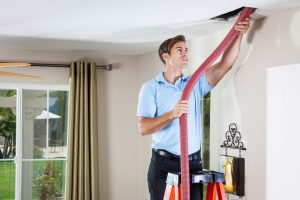
Cleaning your air ducts can significantly improve your home’s air quality and HVAC system efficiency. While it’s always best to hire a professional for a thorough job, you can perform some basic maintenance yourself. Here are some DIY air duct cleaning tips and safety guidelines to help you get started:
DIY Air Duct Cleaning Tips:
- Gather Your Tools:
- Vacuum cleaner with a long hose
- Brush with stiff bristles
- Screwdriver
- Microfiber cloths
- Furnace filter (replacement)
- Turn Off the HVAC System:
- Before you start cleaning, make sure to turn off your heating or cooling system to avoid circulating dust and debris throughout your home.
- Remove and Clean Vent Covers:
- Use a screwdriver to remove vent covers. Wash them with warm, soapy water and let them dry completely before reinstalling.
- Vacuum Ducts:
- Use the vacuum cleaner hose to remove dust and debris from the ducts. Insert the hose as far as possible into the ducts, and use a brush attachment to dislodge stubborn dust.
- Brush and Wipe:
- Use a stiff-bristle brush to scrub the interior surfaces of the ducts, loosening any caked-on dust and debris. Follow up with a microfiber cloth to wipe down the surfaces.
- Clean Return Air Registers:
- Don’t forget to clean return air registers. These can accumulate a lot of dust and debris. Remove them and clean them similarly to the vent covers.
- Replace the Furnace Filter:
- After cleaning the ducts, replace the furnace filter with a new one. This will help maintain clean air circulation and improve HVAC efficiency.
- Reassemble and Test:
- Reattach all vent covers and return air registers. Turn your HVAC system back on and check to ensure everything is functioning properly.
Safety Guidelines:
- Wear Protective Gear:
- Wear a dust mask, safety goggles, and gloves to protect yourself from dust, debris, and potential allergens.
- Ensure Adequate Ventilation:
- Open windows and doors to ensure proper ventilation while cleaning to help dissipate dust and improve air quality.
- Be Cautious with Tools:
- Use tools carefully to avoid damaging the ductwork. Avoid using sharp objects that could puncture or tear the ducts.
- Avoid Harmful Chemicals:
- Do not use harsh chemicals or cleaning agents inside your ducts. These can be harmful to inhale and can damage the ductwork.
- Check for Mold:
- If you notice mold growth in your ducts, do not attempt to clean it yourself. Mold removal requires professional intervention to ensure it’s done safely and effectively.
- Inspect for Damage:
- While cleaning, inspect the ductwork for signs of damage or wear. If you notice any significant issues, such as holes, rust, or loose connections, contact a professional for repairs.
- Use a Flashlight:
- Use a flashlight to inspect deep into the ducts and ensure you’ve removed as much dust and debris as possible.
- Limit Your Reach:
- Only clean the ducts you can reach safely. Do not attempt to disassemble or access areas that are difficult to reach, as this could lead to injury or damage.
When to Call a Professional:
- If you notice significant mold growth or pest infestations
- If your ducts haven’t been cleaned in several years
- If you experience persistent issues with your HVAC system, such as reduced airflow or unusual odors
- If the ductwork is extensive or difficult to access
While these DIY tips can help maintain your air ducts, professional cleaning is recommended periodically for a thorough and safe cleaning. Regular maintenance can improve your HVAC system’s efficiency, reduce energy costs, and ensure a healthier home environment.