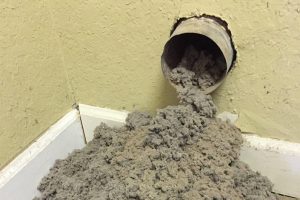
Cleaning your dryer vent is crucial for both safety and efficiency. Here are some guidelines regarding frequency and timing:
- Frequency: The frequency of cleaning your dryer vent depends on various factors such as usage, length of the vent, and the type of dryer you have. However, a general recommendation is to clean the dryer vent at least once a year. If you notice any signs of blockage or reduced performance, such as longer drying times or excessive heat buildup, clean the vent immediately.
- Timing: The best time to clean your dryer vent is during the warmer months when you can easily access the vent from outside without dealing with harsh weather conditions. Additionally, cleaning your dryer vent during the daytime allows for better visibility and makes the task easier.
- Signs of Blockage: Be vigilant for signs that indicate your dryer vent needs cleaning. These include:
- Clothes taking longer than usual to dry.
- Clothes coming out hotter than normal at the end of a drying cycle.
- Excessive lint buildup in the dryer lint trap.
- A burning smell while the dryer is running.
- Visible debris or lint around the dryer vent opening outside your home.
4. DIY vs. Professional Cleaning: While you can clean your dryer vent yourself using a vent cleaning brush or vacuum attachment, it’s often safer and more effective to hire a professional service, especially if your vent is long or difficult to access. Professional cleaners have specialized tools and equipment to thoroughly clean the vent and ensure it’s free of any blockages.
5. Safety Precautions: Whether you’re cleaning the vent yourself or hiring a professional, always prioritize safety. Disconnect the dryer from the power source before cleaning, and use appropriate safety gear such as gloves and goggles. If you’re working at heights or dealing with a particularly challenging vent, consider enlisting the help of a professional.
By adhering to these guidelines and staying vigilant for signs of blockage, you can ensure that your dryer vent remains clean and free of any obstructions, thus reducing the risk of fire and improving the efficiency of your dryer.