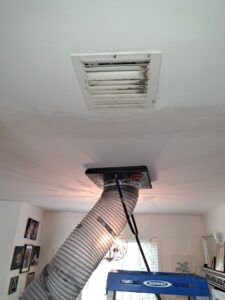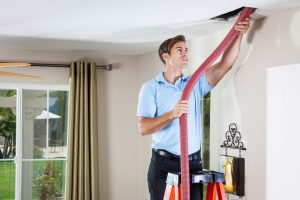
Air duct inspections are essential for assessing the condition of your HVAC (Heating, Ventilation, and Air Conditioning) system’s ductwork. Here’s what you need to know about air duct inspections:
1. Purpose:
- The primary purpose of air duct inspections is to evaluate the condition of the ductwork, identify any issues or deficiencies, and determine if cleaning or repairs are needed. Inspections help ensure that the HVAC system operates efficiently and effectively, and that indoor air quality is maintained.
2. When to Conduct Inspections:
- Air duct inspections should be conducted periodically as part of routine HVAC maintenance. It’s recommended to have inspections performed at least every 2-3 years, or more frequently if there are signs of problems such as reduced airflow, excessive dust buildup, or noticeable odors coming from the vents.
3. Signs That Inspection is Needed:
- Reduced airflow from vents
- Uneven heating or cooling throughout the home
- Excessive dust or debris around vents
- Noticeable odors or musty smells coming from vents
- Signs of mold growth or moisture in or around ducts
- Unexplained increases in energy bills
4. Types of Inspections:
- Visual Inspection: A visual inspection involves examining the visible portions of the ductwork, such as accessible sections in attics, basements, or crawl spaces. This type of inspection can help identify obvious issues such as leaks, damage, or disconnections.
- Video Inspection: Video inspection involves inserting a small camera attached to a flexible probe into the ductwork to visually inspect the interior. This allows for a more comprehensive assessment of the ductwork’s condition, including areas that are not readily accessible.
- Air Quality Testing: In some cases, air quality testing may be conducted to assess the presence of contaminants such as mold, allergens, or volatile organic compounds (VOCs) in the air circulating through the ducts.
5. Benefits of Inspections:
- Identify and address issues early, before they escalate into larger problems.
- Improve HVAC system efficiency and performance.
- Maintain good indoor air quality and reduce the risk of respiratory problems.
- Extend the lifespan of the HVAC system and prevent costly repairs or replacements.
6. Hiring Professionals:
- While visual inspections can be conducted by homeowners, video inspections and comprehensive assessments are best performed by qualified HVAC technicians or duct cleaning professionals. These professionals have the expertise and specialized equipment needed to thoroughly inspect and evaluate the ductwork.
7. Follow-Up Actions:
- Based on the findings of the inspection, follow-up actions such as duct cleaning, repairs, sealing, or insulation may be recommended. It’s important to address any issues promptly to ensure the continued efficiency and safety of the HVAC system.
Overall, air duct inspections are an essential aspect of HVAC maintenance, helping to ensure that your system operates efficiently, effectively, and safely. Regular inspections can help identify and address issues early, improving indoor air quality and extending the lifespan of your HVAC system.